






15 Jan Dogs and Hardwood Floors: A Bad Combination?
Dogs and Hardwood Floors – Can They Coexist?
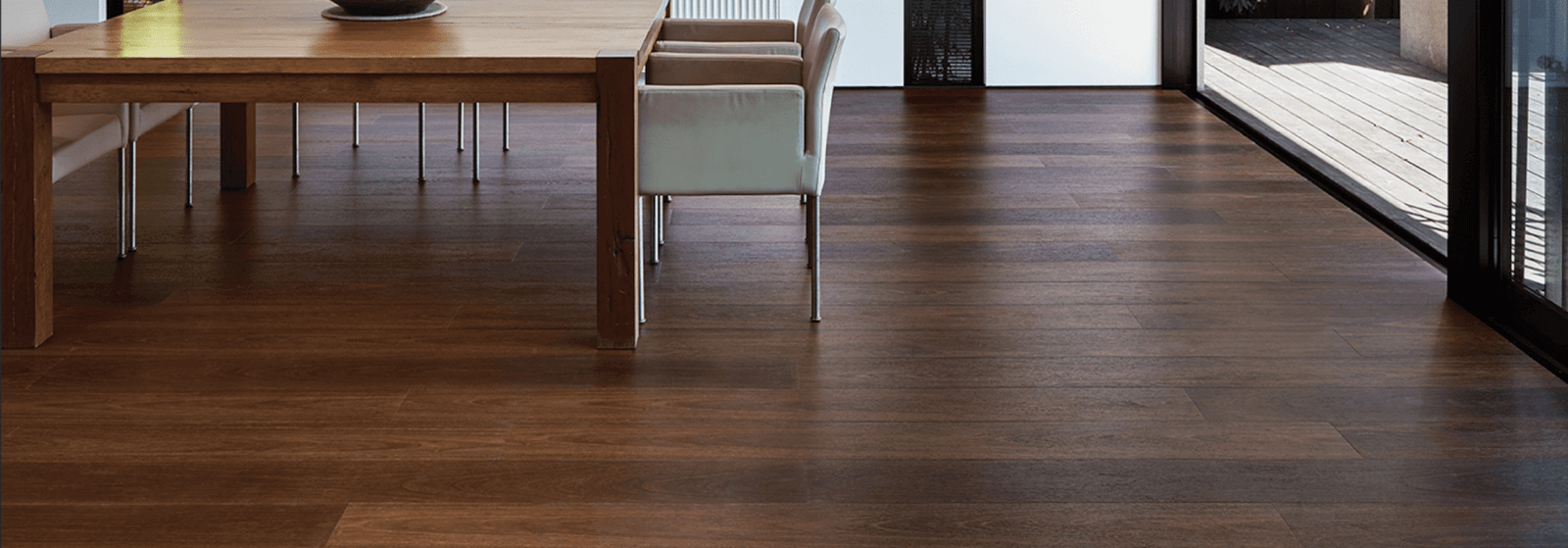
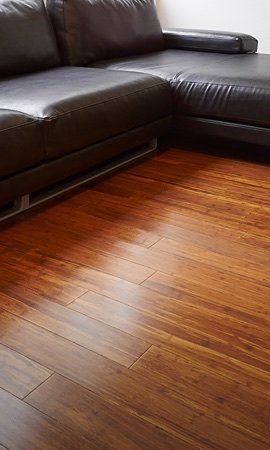
If you’re a dog owner, you’ve probably heard the phrase that dogs and hardwood floors don’t mix. Sharp claws can scratch and gouge the surface, while muddy paws and high-speed zoomies don’t exactly help. That doesn’t mean you have to give up on hardwood — but it does mean you need to be smart about your choices and take a few extra precautions to keep your floors looking their best.
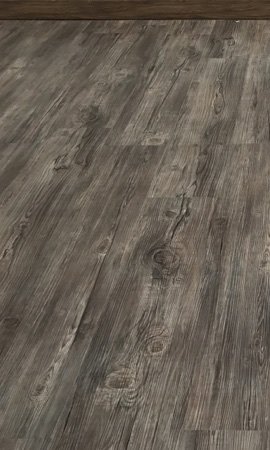
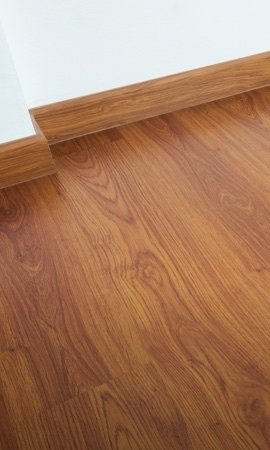
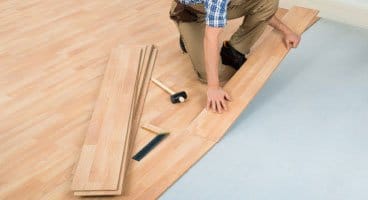
Some pet owners choose laminate flooring or hybrid flooring because they’re more scratch-resistant and easier to maintain. These modern floors are also installed as floating systems, which means planks can be replaced more easily if damage does occur. At FloorVenue, we regularly help Sydney homeowners weigh up the pros and cons of different floor types, and many choose laminate or hybrid as a pet-friendly solution that balances durability with affordability.
Still, if your heart is set on real timber, don’t worry — you can absolutely make it work. The key is to choose wisely and implement a few practical strategies.
1. Choose the Hardest Wood Available
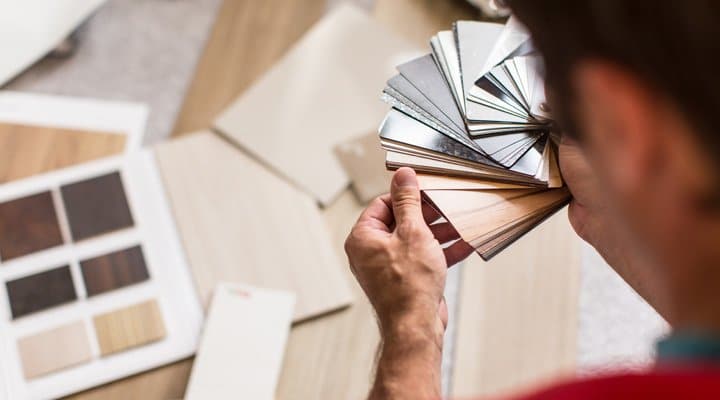
Not all hardwoods are equal when it comes to durability. When selecting timber, ask about the Janka Rating, a global hardness scale for wood species. The higher the rating, the better resistance your floor has against scratches from paws and claws. Popular Australian species such as Spotted Gum, Blackbutt, and Ironbark are known for their excellent hardness and natural resilience.
Harder woods are also less likely to show minor dents from playful activity or accidental drops. While they may cost more upfront, they often save money in the long run by resisting the kind of damage that forces early replacements.
2. Keep Nails Trimmed and Floors Sealed
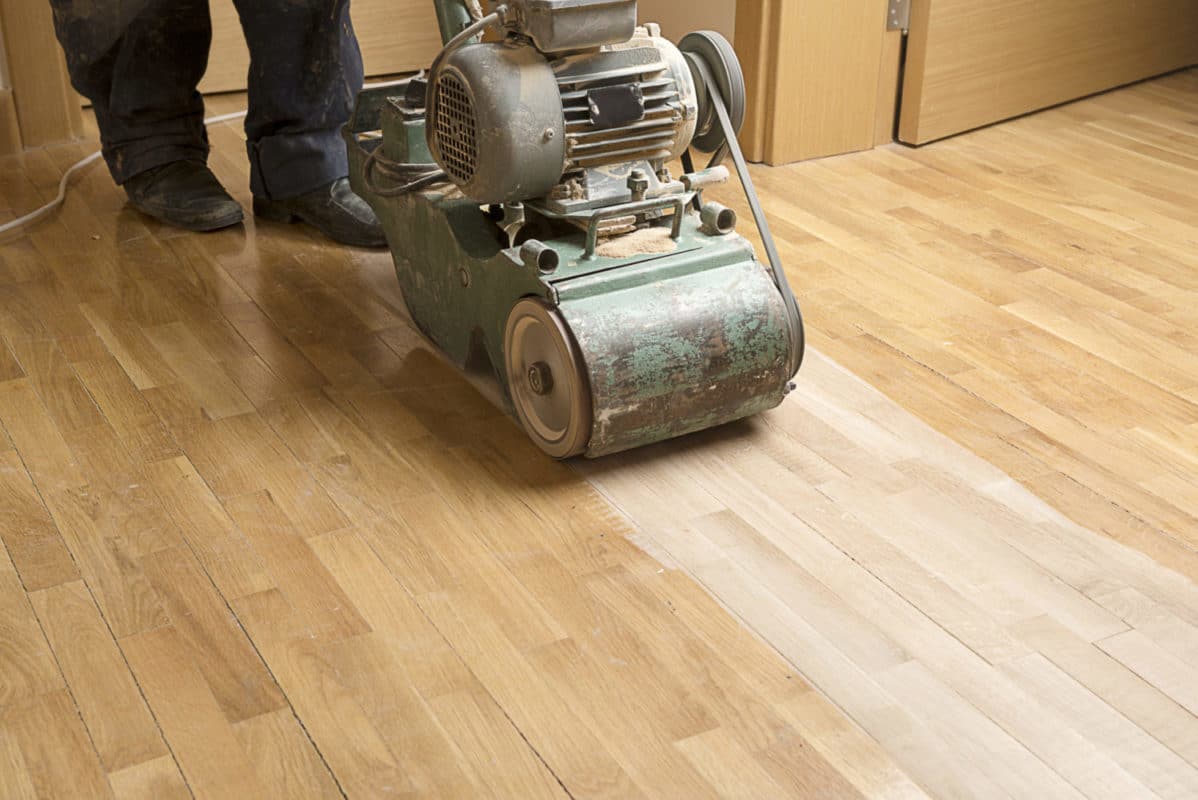
One of the fastest ways dogs damage hardwood floors is through untrimmed nails. Regular nail clipping is essential, and some owners even opt for soft nail caps (available through vets) for extra protection. Beyond grooming, sealing your floors properly is just as important. A good surface finish adds a protective barrier between your dog’s claws and the timber underneath.
FloorVenue recommends coatings that comply with AS 2796 timber standards, ensuring your flooring is sealed, durable, and built to withstand daily pet traffic. Options like polyurethane finishes can add a resilient shield that makes scratches less visible and moisture less damaging. Regularly re-coating every few years can further extend your floor’s lifespan. Homeowners who want an even more natural feel sometimes choose oil-based finishes, which penetrate the timber and highlight the grain while still offering surface protection.
3. Train and Protect
Dog training doesn’t just benefit your furniture — it can protect your floors too. Teaching your dog to walk calmly indoors or discouraging frantic running prevents many scratches before they happen. Small behavioural adjustments go a long way in reducing floor damage over time, especially in larger breeds.
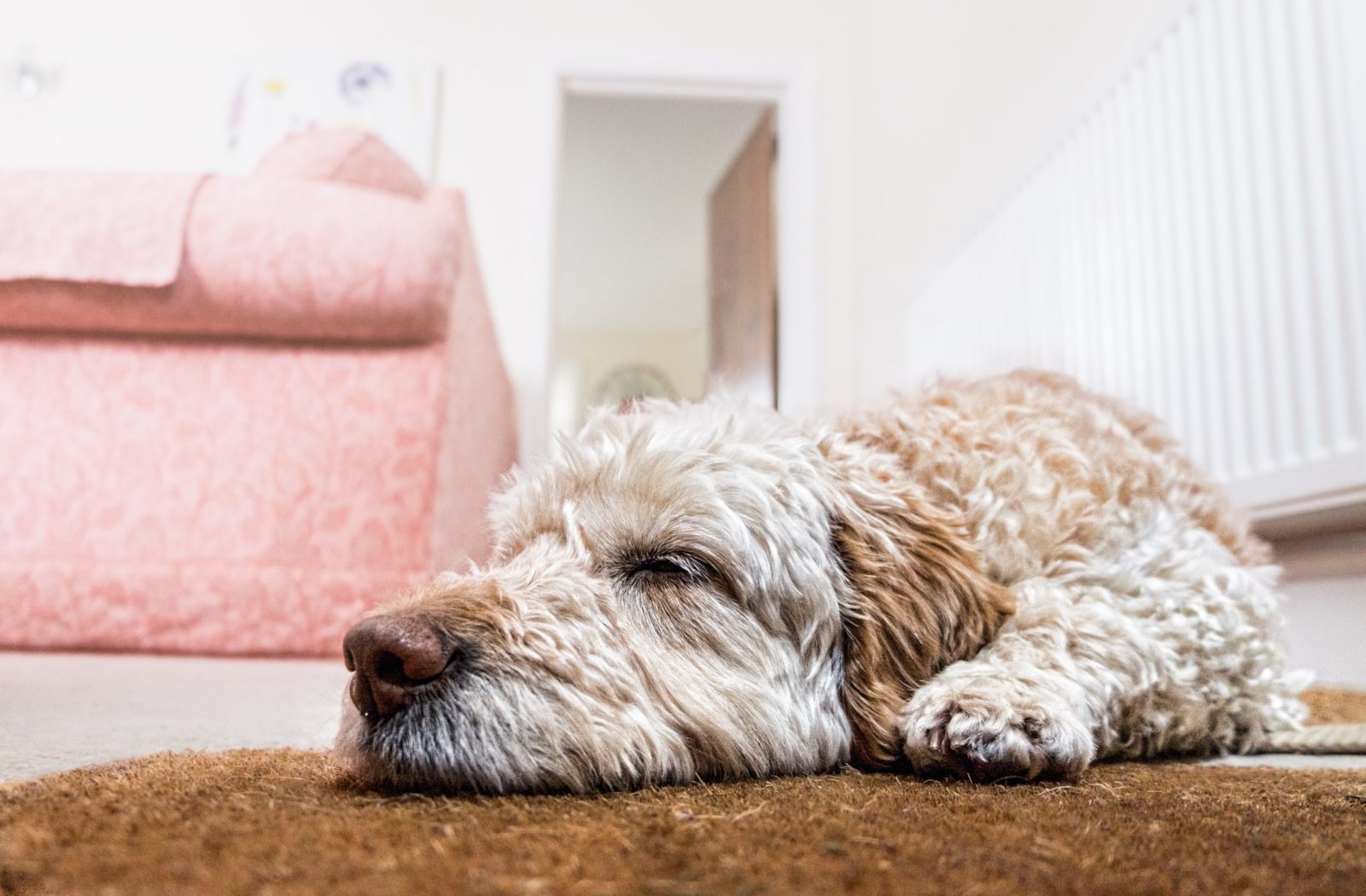
In addition, place rugs or runners in high-traffic areas such as hallways and near doorways. Rugs act as protective shields against claw marks and also reduce the spread of dirt and moisture. Machine-washable rugs are particularly practical for pet households, as they can be cleaned regularly. In multi-floor homes, you can even designate “dog-free zones” for more delicate spaces such as formal lounges or dining rooms. Combining training with thoughtful floor planning helps balance your lifestyle with flooring care.
4. Consider Pet-Friendly Alternatives
If you’re not completely sold on hardwood but still want a natural look, you have options. Engineered timber flooring gives you the beauty of real wood with a tougher layered core, providing more stability and easier maintenance. It can also be re-sanded a limited number of times, extending its usability even in pet households.
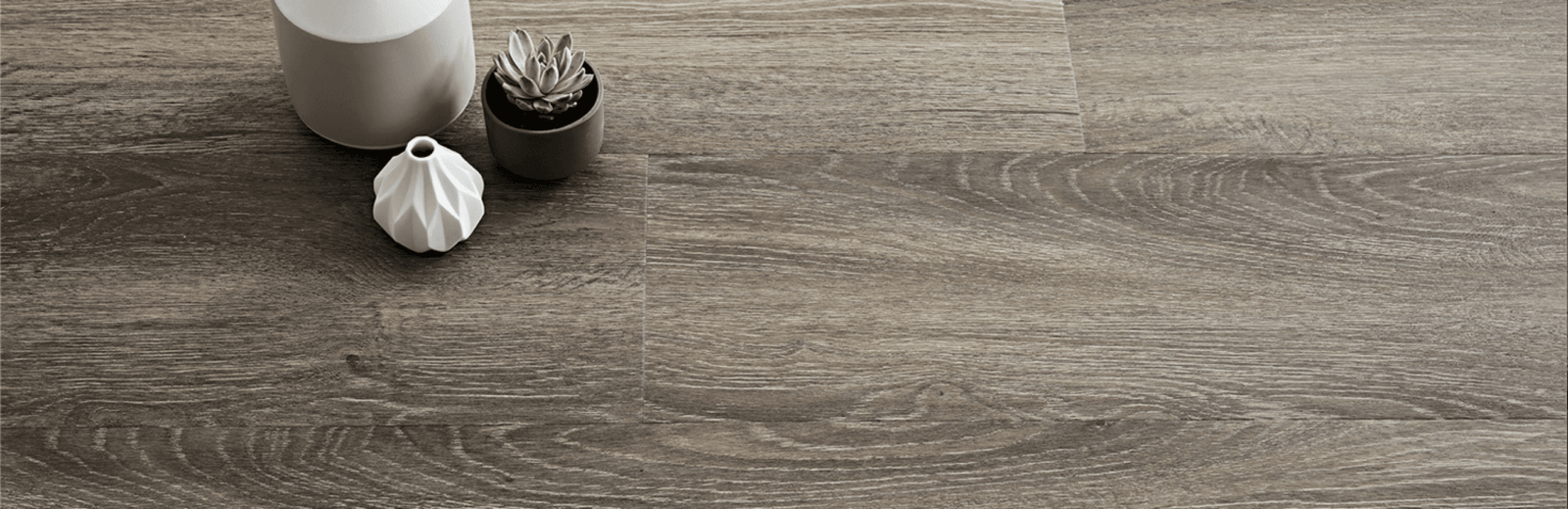
Meanwhile, vinyl plank flooring is completely waterproof, resistant to scratches, and softer underfoot, making it one of the most practical choices for pet owners. While it isn’t natural timber, modern vinyl planks are designed to convincingly replicate woodgrain textures and tones, so you can still achieve that warm, timber-inspired look without the same maintenance concerns. Vinyl planks are also quieter underfoot, which is a bonus for households with energetic dogs that tend to make a lot of noise when running indoors.
5. Don’t Forget Moisture Management
Another challenge of combining pets with hardwood is moisture. Accidents, water bowls, and even wet paws after a walk can damage unprotected timber. Always place water bowls on mats, wipe up spills immediately, and consider using pet-safe cleaning products designed for hardwood. Moisture management is just as important as scratch prevention when it comes to maintaining your floor’s lifespan in a pet-friendly household.
6. Prepare The Subfloor (Flatness)
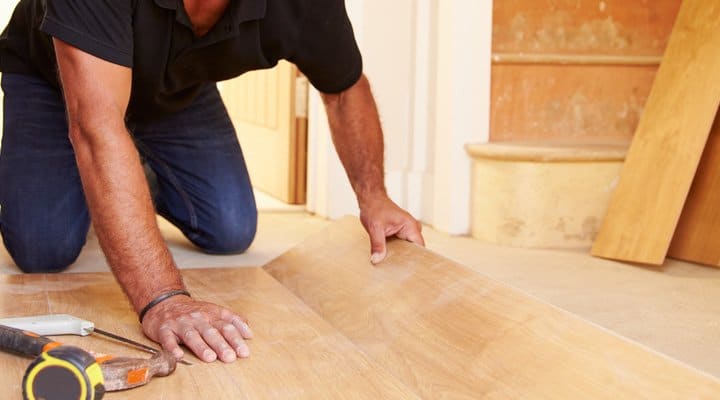
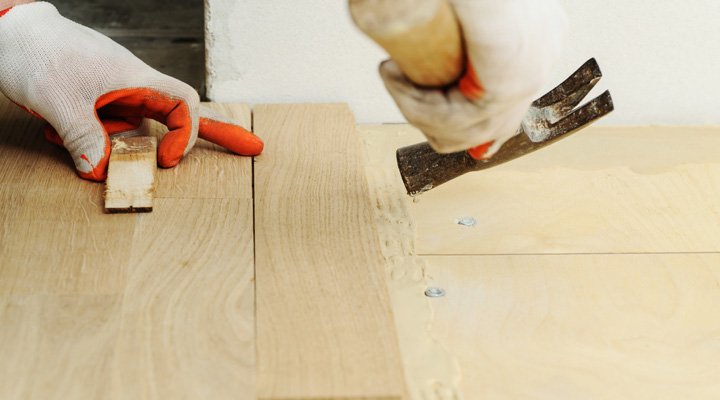
One of the most common causes of premature floor failure (although separate from pets) is installation of flooring whether engineered or solid timber, over an uneven subfloor surface. This can cause bouncing underfoot, which results in potential damage to the locking system in severe cases. At FloorVenue, our professional installers also ensure your subfloor complies with Australian Standard AS 1884, which requires no more than 4mm variance over 2 metres — critical for maintaining long-term stability.
Conclusion
Yes — dogs and hardwood floors can coexist. It’s all about selecting the right timber species, applying durable surface coatings, trimming nails regularly, training your pets, and protecting your floors with rugs and moisture management strategies. With these steps in place, your floors can remain beautiful for years even in a busy, pet-friendly home.
If you’re still unsure which flooring option best suits your household, FloorVenue’s team offers free consultations and no-obligation quotes to help you find the perfect balance between style and practicality. We’ve even published a dedicated article on the best floors for pets, packed with expert tips and product recommendations. Alternatively, just give us a call and let our team know about your needs — we’ll help you find a floor you and your furry friends can love.
