








24 Oct Ultimate Guide To Waterproof Wall Panels For Wet Areas
Anyone who’s dealt with a leaky bathroom or steamy kitchen knows that moisture is a nightmare for interior spaces. Water and humidity don’t play nice with paint, plaster, or even traditional tiles; they’ll break down faster than you’d like, leaving you with peeling walls and constant maintenance.
That’s where waterproof wall panels come in. They’ve really taken off in recent years, and for good reason. Homeowners and commercial designers are choosing them because they last longer and still look great.
So what’s the deal with these panels? In this guide, we’ll break down what they actually are, how they do their job, what options you’ve got to choose from, the good and bad sides of using them, and some tips on picking the right panels for whatever space you’re working with.
What are Waterproof Wall Panels?

Waterproof wall panels are basically wall coverings that have been designed to handle moisture without falling apart. They won’t warp, swell up, or turn into a mould factory like some traditional materials do. The big difference between these and regular tiles? No grout lines to worry about, and no porous materials that break down after a few years. You end up with a smooth, sealed surface that’s pretty straightforward to keep clean.
These days, most panels you’ll come across are made from one of three main materials:
Hybrid (or composite) panels mix together stone fibres, wood powder, and thermoplastics. This combo gives you durability and waterproofing, plus they can look surprisingly realistic, like actual stone or timber.
Timber slat panels use real wood veneer with felt backing. They’re great for adding warmth to a space and help with acoustics too, but you’ll want to stick to drier areas or spots that don’t get much moisture.
Foam acoustic panels are the lightweight option, mainly used for sound absorption. You’ll see these more in studios or offices, places where water isn’t really part of the equation.
For true waterproofing performance, hybrid panels are the primary choice for wet zones. To understand other types of acoustic wall panels, see our ultimate guide here!
How Waterproof Wall Panels Work
When you install waterproof wall panels properly, they create a solid seal that stops water and steam from getting through to the wall behind them.
Here’s how it actually works:
Non-porous core – The core material is non-porous, which means it doesn’t absorb water. It’s typically made from thermoplastic or composite material.
Tight interlocking joints – The panels slot together with a tongue-and-groove or click system. No gaps means nowhere for water to get in.
Protective coating – There’s a layer on top that keeps stains and soap scum from sticking.
So basically, you get a wall that handles your shower, sink splashes, whatever you throw at it, without going mouldy or starting to peel.
How Different Panel Types React to Water
Not every acoustic wall panel handles moisture the same way. Knowing how each type deals with water will help you figure out which one actually works for your space.
Hybrid Panels (Waterproof)
Hybrid wall panels are designed for wet zones. Their composite structure of stone dust, fibres, and thermoplastics makes them 100% waterproof, meaning they can be installed directly in showers, kitchens, and laundries. The joints interlock tightly to prevent leaks, while the rigid surface resists swelling, delamination, and mould growth.
Timber Slat Panels (Moisture Sensitive)
Timber slat panels work really well for acoustics, but don’t put them anywhere that’s constantly damp. The wood veneer and MDF inside will absorb moisture, and before you know it they’ll start warping or changing colour. You’re better off using these in living rooms, offices, or bedrooms where the humidity doesn’t fluctuate much.
Foam Panels (Humidity Sensitive)
Foam acoustic panels do a great job with sound absorption, but they really don’t like humidity or wet conditions. Too much moisture and the foam starts breaking down, loses its colour, or just falls apart. Keep these for dry, climate-controlled spaces like studios and classrooms where they’ll actually last.
Summary:
-
Use hybrid panels in bathrooms, kitchens, and laundries.
-
Keep timber slat and foam panels in dry, controlled areas.
For wet areas, hybrid waterproof wall panels are the clear choice, combining water resistance with durability and mild acoustic benefits.
Why Hybrid Panels Excel in Wet Zones
Hybrid panels are built for spaces where you can’t avoid water and humidity. They solve a bunch of problems that traditional materials and regular panels just can’t deal with:
- Total water protection – The WSPC core (that’s wood-stone plastic composite) doesn’t let water through, front to back.
- No grout, no mould – Because the panels interlock, you get a smooth surface without grout lines where mould loves to grow.
- Swelling & Warping – Unlike timber or MDF, these panels don’t expand or bend out of shape when they get wet.
- Durability – The material is tough enough to handle everyday bumps and knocks, so it works well in busy family homes or commercial spaces.
- Helps with sound – Hybrid panels soften echoes and make hard, wet areas feel a bit more comfortable.
- Easy to clean – Just wipe them down with a damp cloth and you’re done.
If you need something that performs well in humid spots and stays hygienic long-term, hybrid panels are a solid investment for homes and workplaces.
Best Areas to Use Waterproof Wall Panels (Hybrid)
Bathrooms
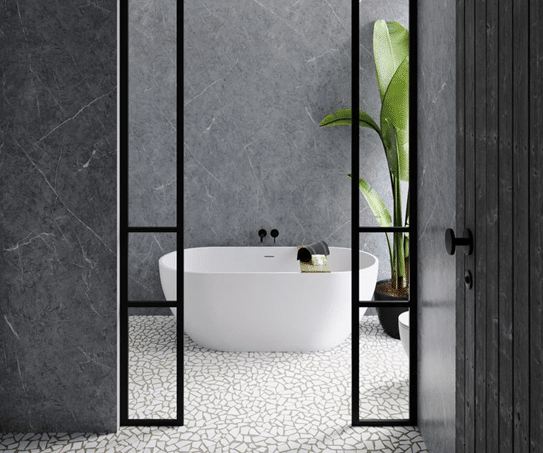
Hybrid panels are perfect for bathrooms and shower areas. They give you a watertight surface from floor to ceiling and stop moisture from damaging what’s behind your walls. They’re also warmer and quieter than tiles, which makes the space more comfortable.
Kitchens
Great for splashbacks and walls behind your sink or cooktop. Hybrid panels handle grease, steam, and water splashes without breaking a sweat, and they’re way easier to clean than tiles or stone.
Laundries
Laundries get hit with high humidity, detergents, and constant water contact, so hybrid panels are a natural fit. The waterproof core means they won’t peel or bubble even with daily use.
Commercial Spaces
Places like cafés, salons, gyms, and hotel bathrooms need something that’s easy to maintain and looks professional. Hybrid panels tick both boxes while meeting hygiene and durability standards.
Functionality Over Form

Hybrid panels come in heaps of finishes like marble, stone, concrete, and timber-look, but the real reason to use them in wet areas is how they perform. They protect your walls from long-term moisture damage, need hardly any maintenance, and don’t lose their shape over time.
For homeowners, that means less money spent on repairs. For businesses, it means lower maintenance costs and a space that keeps looking professional.
Installation & Professional Recommendation
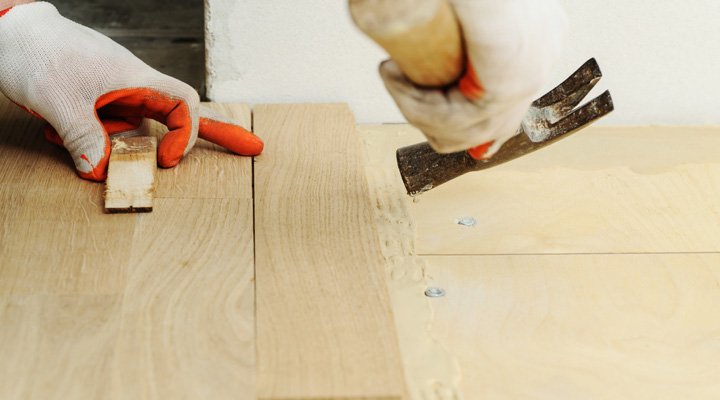
Even the best waterproof panels won’t do their job if they’re not installed properly. One dodgy seal or edge that’s not lined up right, and water can start sneaking behind the surface.
That’s why FloorVenue really pushes for professional installation on all waterproof panel jobs. Our accredited installers know hybrid systems inside out and make sure you get:
- Completely watertight seals on joins, corners, and trims.
- Perfect alignment, so everything looks seamless.
- Long-term performance backed by proper workmanship and Australian building standards.
You can do it yourself if you want, but if you’re after real peace of mind and a guarantee that it’s actually waterproof, getting professionals in is the better call.
Care & Maintenance
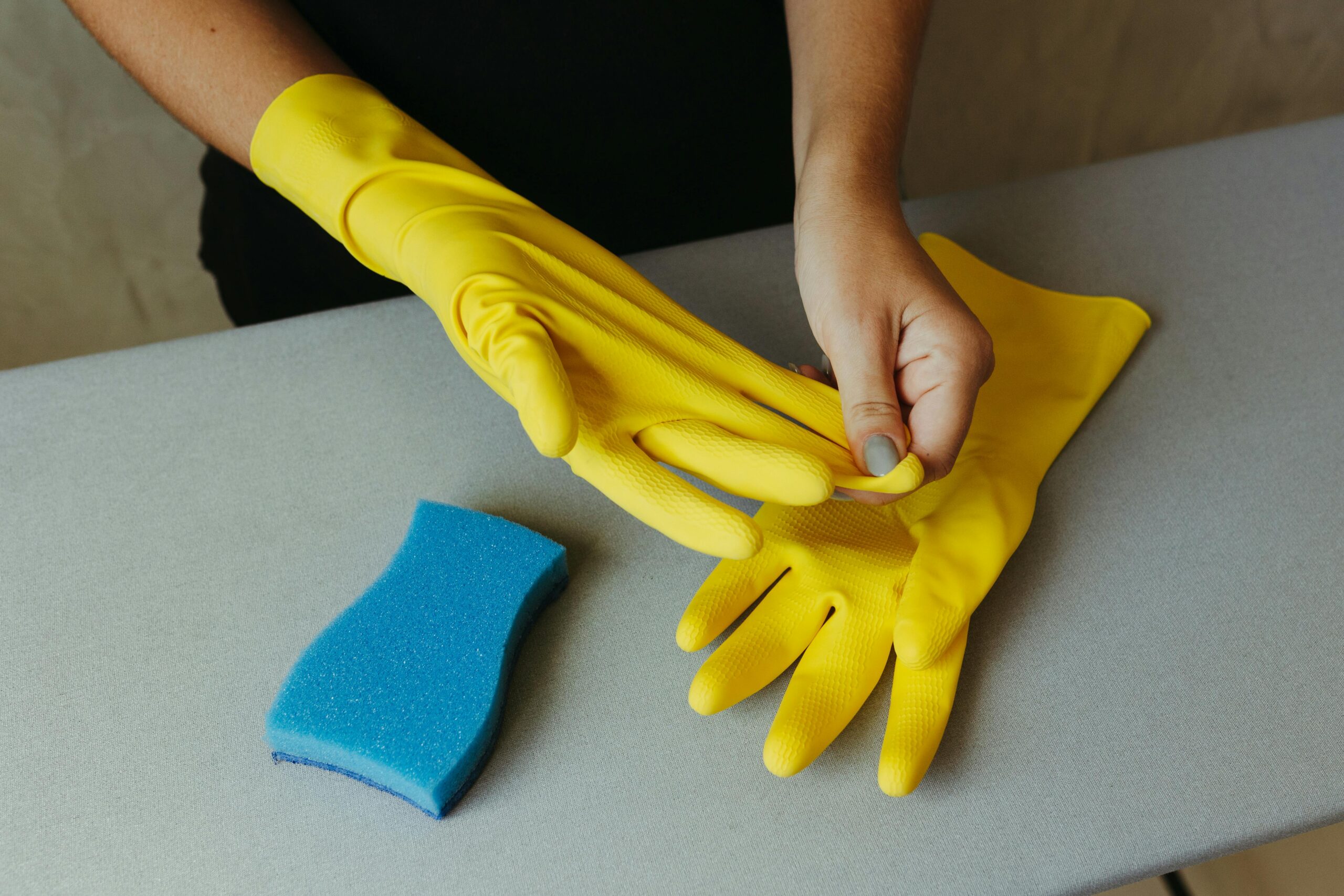
Hybrid panels don’t need much looking after. To keep them in good shape:
- Give them a wipe with a soft cloth and mild detergent when needed.
- Stay away from abrasive cleaners or harsh chemicals.
- Check the seals once a year in wet areas and top up the silicone if it needs it.
- Make sure there’s decent ventilation so condensation doesn’t build up.
Do that and your waterproof hybrid panels will keep looking good and doing their job for years, even in the wettest spots.
Final Thoughts
Waterproof wall panels are one of the smartest upgrades you can make for wet areas. They’re durable, hygienic, and even help with acoustics, all while making maintenance easier and protecting your walls from water damage over time.
Out of all the options out there, hybrid wall panels are the best pick for wet environments. They’re properly waterproof, handle impacts well, and still give you some acoustic benefits.
If you’re thinking about renovating your bathroom, kitchen, or laundry, get in touch with FloorVenue. Our team can walk you through the different products, show you real samples, and sort out professional installation so your walls stay completely watertight, tough, and hassle-free for years.
